LATIN AMERICAN LAWFARE

On Monday, March 8th, Bolivia’s former president and leader of the coca federations, Evo Morales, took a surprise trip to Buenos Aires. Less than a week later, former President Jeanine Añez was arrested.

THE BOLIVARIAN NETWORK IS RESURGING IN SOUTH AMERICA

The contested U.S. election has left a short-term vacuum for the VRIC to advance its interests in the Americas. The weekend after the U.S. election, representatives from VRIC nations arrived in La Paz for the inauguration of President Arce.

IRAN TAKES TO THE SEAS TO PROP UP VENEZUELA’S MADURO REGIME
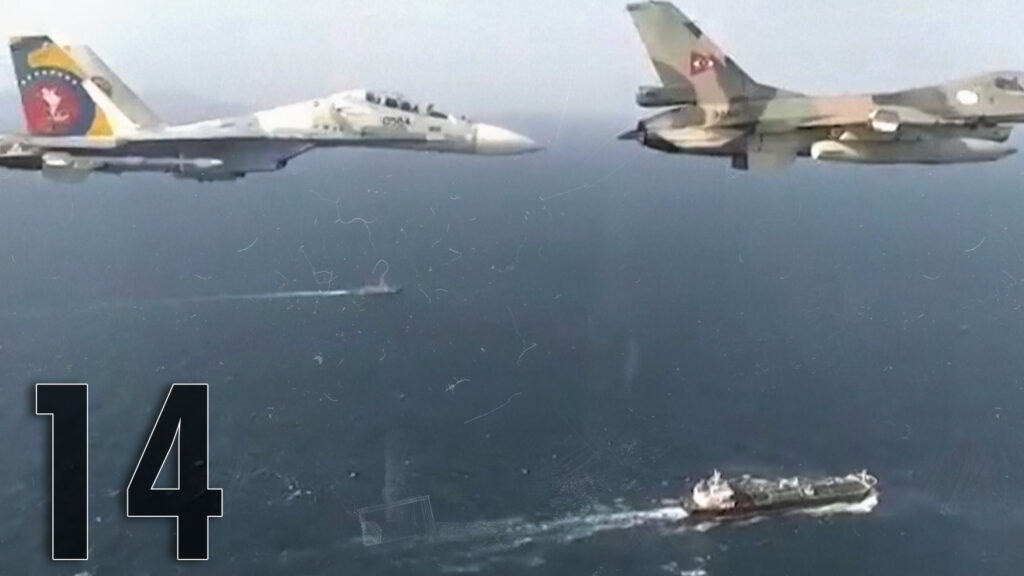
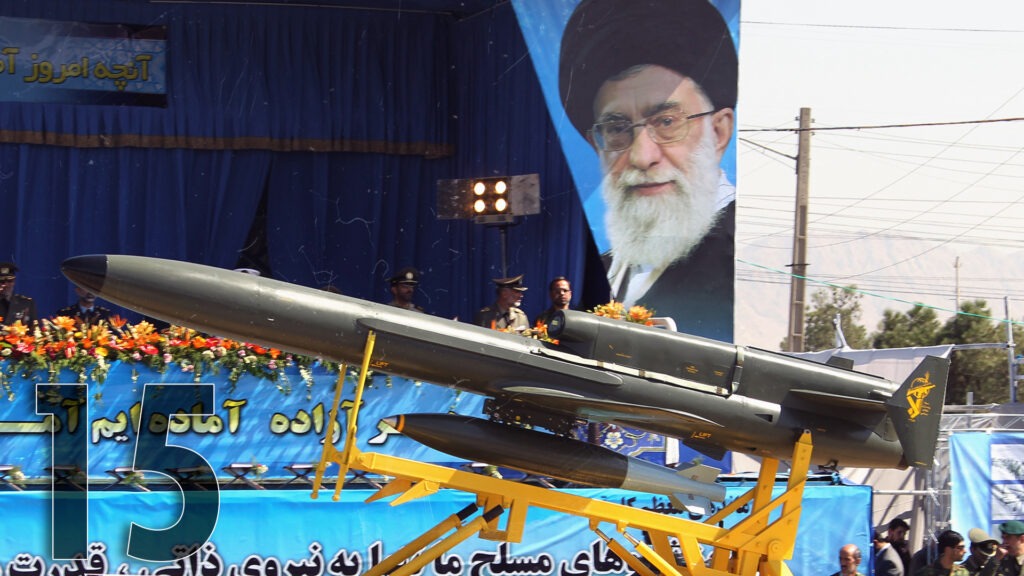
Iran’s increased maritime engagement in the Western Hemisphere is causing concern for U.S. officials closely monitoring and blocking some of this activity. This relatively new problem set is poking at specific chinks in the armor of U.S. sanctions.

THE “BOLIVARIAN FURY” ARRIVES IN THE U.S.
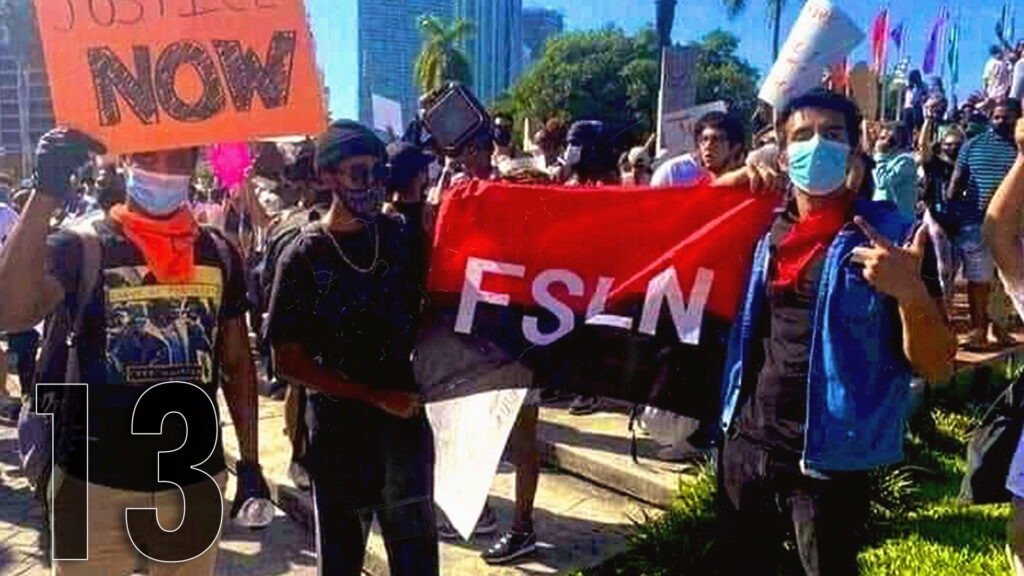
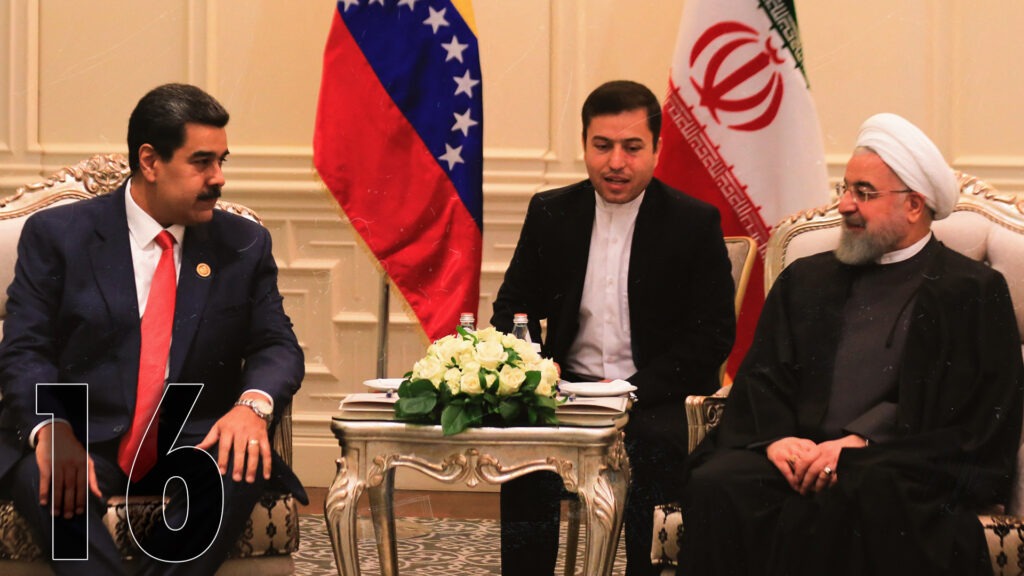
The VRIC is forming a “Bolivarian Shield” around Venezuela to resist sanctions pressure, deflect blame for the humanitarian and economic crisis, and delegitimize the U.S. in Latin America. As the Trump administration continues its “maximum pressure”.

IRAN COMES OUT OF THE SHADOWS IN VENEZUELA

As the COVID-19 pandemic took center stage, the Venezuela conflict, and its long stalemate, was left on the back burner. That is, until early May, when a group of Venezuelan military defectors and two former American Green Berets.

COMBATTING COVID-19 PROPAGANDA IN LATIN AMERICA
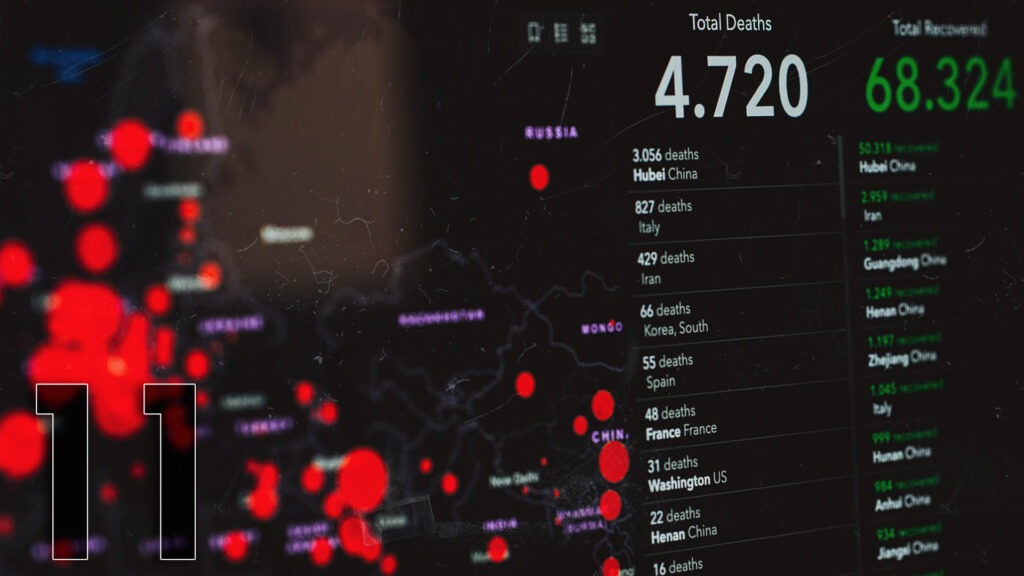
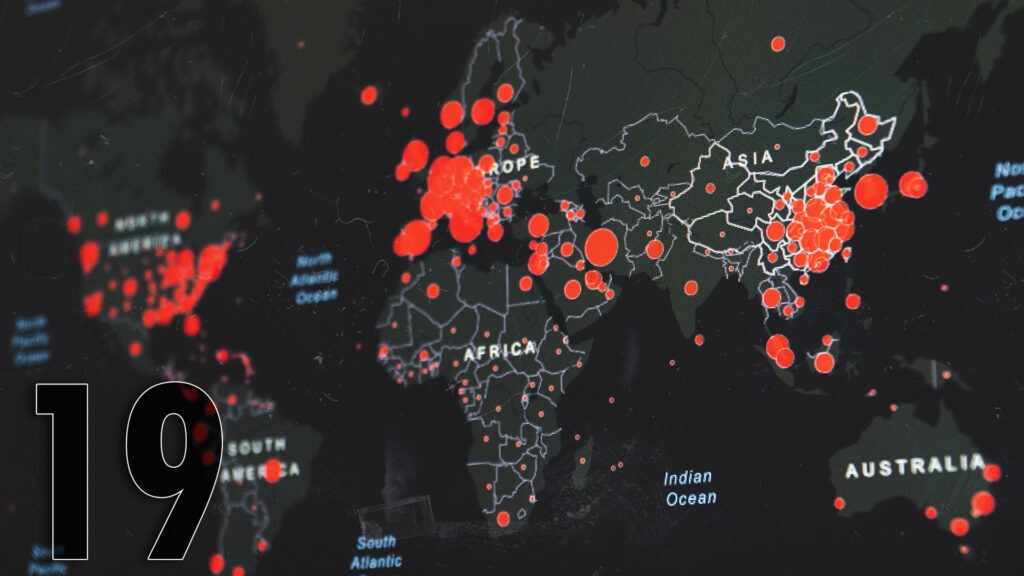
In March, the world woke up to the global health pandemic that is COVID-19. While the public embraces new mitigation measures to slow the spread of the virus, most governments are in a war against an “invisible enemy”.
CENTER FOR A
SECURE FREE SOCIETY
VRIC Monitor is a product of SFS © 2024

FOLLOW SFS

CONTACT US

CENTER FOR A
SECURE FREE SOCIETY
VRIC Monitor is a product of SFS © 2024

SUBSCRIBE TO
THE VRIC MONITOR

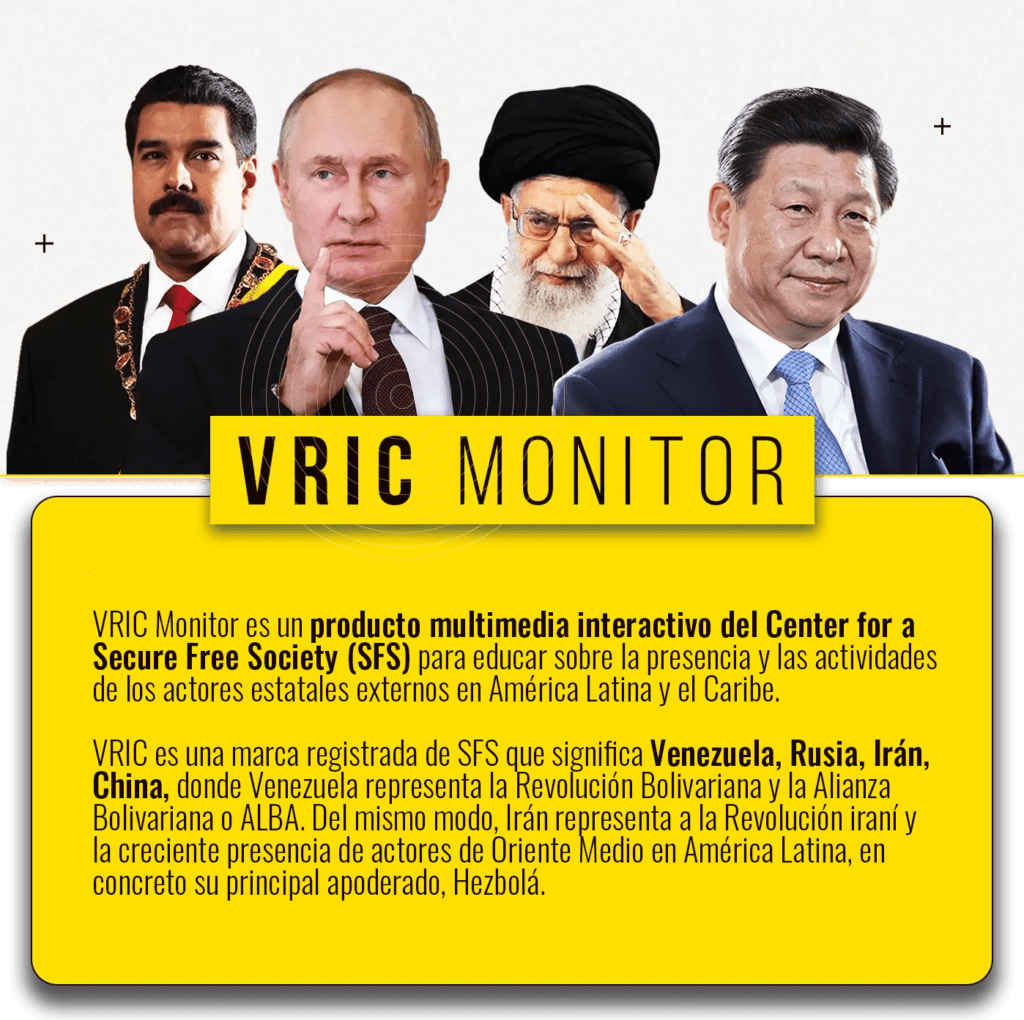
Hace una década, muchos en la comunidad estadounidense de política exterior y seguridad nacional restaban importancia a una alianza emergente entre Rusia y China, y descuidaban a Irán y Venezuela como parte de la competencia de grandes potencias que se alzaba para desafiar a Estados Unidos.


Hoy, es una realidad. Venezuela, Rusia, Irán y China o «The VRIC» están en una alianza estratégica que es evidente en conflictos globales como la Guerra en Ucrania o a través de ejercicios navales conjuntos en el Golfo de Omán. A pesar de sus diferencias naturales, The VRIC es cada vez más activo en regiones del mundo donde Estados Unidos está disperso.


En 2019, comenzamos el Programa de Amenazas Transregionales del VRIC para llenar este vacío y comenzar a educar a los responsables políticos sobre el desafío multidimensional y de seguridad nacional que plantean los actores estatales externos en América Latina y el Caribe.


Desde entonces, hemos publicado más de dos docenas de informes detallados y hemos concedido innumerables entrevistas y sesiones informativas sobre el VRIC. Muchos de nuestros informes, denominados VRIC Monitor, han sido citados en los principales medios de comunicación, como The Wall Street Journal y The Washington Post, o presentados en diversas sesiones informativas con el Departamento de Defensa (DoD) y ejércitos asociados de todo el mundo.


Ahora, a través de nuestro vanguardista sitio web multimedia, el Centro para una Sociedad Libre y Segura (SFS) puede mostrar en tiempo real todas las actividades del VRIC. Accediendo al mapa virtual interactivo podrá conocer los elementos diplomáticos, informativos, militares y económicos de la influencia estratégica de las redes de RVIC. El mapa es totalmente interactivo y permite realizar búsquedas por categoría, país, cronología y palabras clave.


El sitio web del VRIC Monitor permite correlacionar las actividades de Venezuela, Rusia, Irán y China en diferentes países latinoamericanos al mismo tiempo y a lo largo de una línea de tiempo de cinco años, para encontrar patrones, tendencias y, en última instancia, poder analizar la influencia estratégica de los adversarios cercanos de Estados Unidos en nuestro vecindario.


El Monitor VRIC es el mayor repositorio de información de código abierto sobre las actividades de China, Rusia e Irán en América Latina y el Caribe. Además del mapa interactivo, el Monitor VRIC produce informes analíticos, infografías detalladas y vídeos cortos para ayudarle a interpretar las actividades más relevantes del VRIC en un mes determinado.


Próximamente, el VRIC Monitor contará con una sección premium por suscripción que le permitirá profundizar en la influencia de actores externos mediante el análisis forense de la desinformación digital y el seguimiento de las rutas de viaje desde el extranjero. Estos productos premium se alimentan de una base de datos interna de SFS que utiliza herramientas de inteligencia artificial (IA) y aprendizaje automático para recopilar datos masivos sobre Venezuela, Rusia, Irán y China en inglés, español, portugués y francés (se espera añadir más idiomas en el futuro).


Este sitio web es un proyecto iterativo de SFS y se actualizará mensualmente y se mejorará periódicamente con nuevas funciones. El mapa interactivo se lanza con un sólido conjunto de datos de casi 2.000 entradas que se remontan a 2019. Tenemos previsto seguir añadiendo nuevas entradas mensualmente.


Gracias por visitar el VRIC Monitor y esperamos que este servicio sea útil para su investigación y análisis y pueda informar su comprensión de las amenazas, desafíos y oportunidades de seguridad nacional de los Estados Unidos en el Hemisferio Occidental.

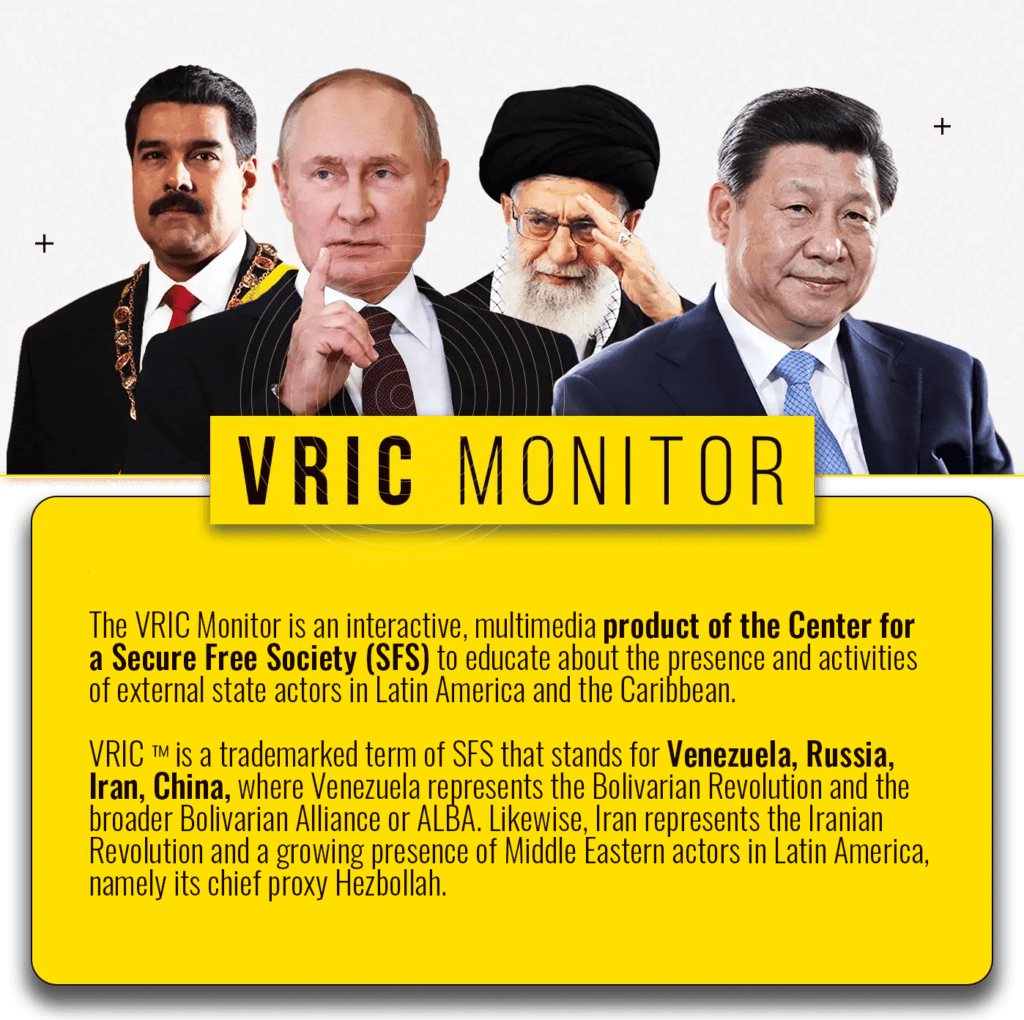
A decade ago, many in the U.S. foreign policy and national security community were downplaying an emerging alliance between Russia and China, and neglected Iran and Venezuela as part of the Great Power Competition that was rising to challenge the United States.


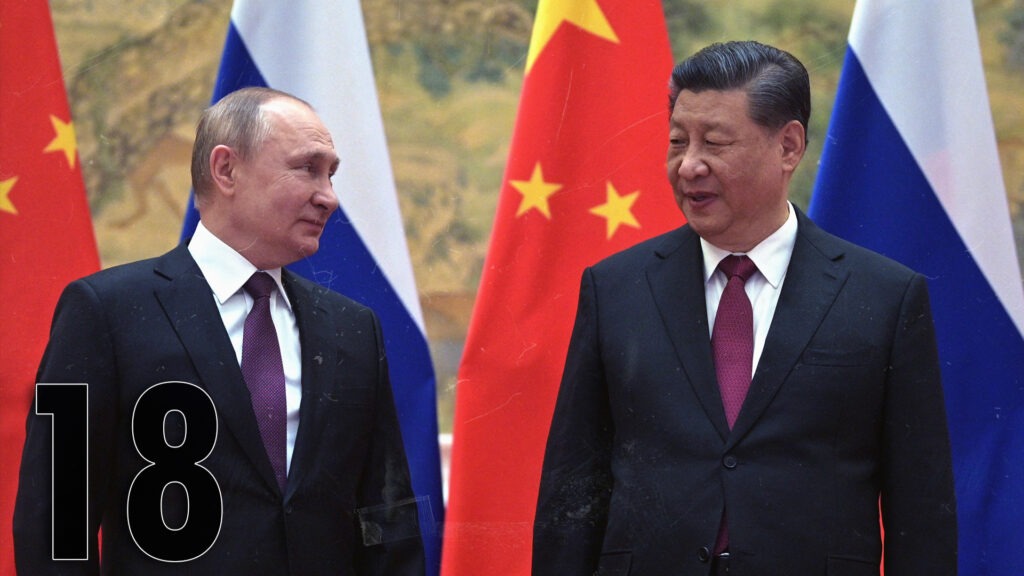
Today, it’s a reality. Venezuela, Russia, Iran, and China or “The VRIC” are in a strategic alliance that is evident in global conflicts like the War in Ukraine or through joint naval exercises in the Gulf of Oman. Despite their natural differences, The VRIC ™ is increasingly active in regions of the world where the United States is spread thin.


In 2019, we began the VRIC Transregional Threats Program to fill this gap and start educating policymakers about the multi-dimensional, national security challenge posed by external state actors in Latin America and the Caribbean. Since then, we have published more than two dozen detailed reports and given countless interviews and briefings about The VRIC ™.


Many of our reports, called the VRIC Monitor, have been cited in leading media outlets, such as The Wall Street Journal and The Washington Post, or featured in various briefings with the Department of Defense (DoD) and partner militaries around the world.


Now, through our cutting-edge, multimedia website, the Center for a Secure Free Society (SFS) is able to illuminate the full range of VRIC activities in real-time. By accessing the interactive, virtual map you can learn about the diplomatic, informational, military, and economic elements of strategic influence by VRIC networks. The map is fully interactive and is searchable by category, country, timeline, and keywords.


The VRIC Monitor website allows you to correlate Venezuela, Russia, Iran, and China’s activities in different Latin American countries at the same time and across a five-year timeline, to find patterns, trends, and ultimately be able to analyse the strategic influence of America’s near-peer adversaries in our neighborhood.


The VRIC Monitor is the largest repository of open-source information on the activities of China, Russia, and Iran in Latin America and the Caribbean. Aside from the interactive map, the VRIC Monitor produces analytic reports, detailed infographics, and short videos to help you interpret the most relevant VRIC activities in a given month.


Coming soon the VRIC Monitor will have a subscription-based, premium section that will allow you to dig deeper into external actor influence by analyzing digital disinformation forensics and tracking travel routes from overseas. These premium products are powered by an SFS internal database that uses Artificial Intelligence (AI) and Machine Learning tools to collect bulk data on Venezuela, Russia, Iran, and China in English, Spanish, Portuguese, and French (with additional languages expected to be added in the future).


This website is an iterative project by SFS and will be updated on a monthly basis and upgraded periodically with new features. The interactive map is launching with a robust data set of almost 2,000 entries dating back to 2019. We plan to continue to add new entries on a monthly basis.


Thank you for visiting the VRIC Monitor and we hope this service is useful for your research and analysis and can inform your understanding of U.S. national security threats, challenges, and opportunities in the Western Hemisphere.